
7 min read
Voice Cloning Has Outrun Your Authentication

Information security is failing to acknowledge that the human voice has been demoted from a biometric identifier to a public data point. For twenty-five years, voice-based identity was treated as a secure physical attribute. That assumption is now a liability. The velocity at which generative AI has optimized audio synthesis means that if an executive has ever spoken at a conference, narrated a video, or answered a phone call, their vocal signature is effectively public domain.
The industry remains fixated on static authentication challenges while attackers have moved to dynamic, real-time synthesis. We are no longer defending against recorded clips or primitive soundboards. We are defending against malicious actors using low-latency neural networks to conduct two-way conversations. When the barrier to entry for high-fidelity cloning has dropped to three seconds of source audio, the traditional trust model of the voice channel has collapsed entirely.
The Three-Second Threshold
The technical requirements for impersonation have shifted from hours of studio-quality recording to a momentary fragment of audio captured in the wild. Current zero-shot text-to-speech models can ingest a brief snippet of speech and replicate cadence, pitch, and emotive timbre with frightening precision. This is not a theoretical vulnerability; it is a commodified capability available through standard API calls.
The implications for the corporate help desk and high-value transactions are absolute. If a social engineer can mirror a CFO's voice during a high-pressure request for a wire transfer, the psychological advantage over the recipient is almost impossible to bridge through training alone. Most organizations still rely on Knowledge-Based Authentication (KBA) - asking for a mother's maiden name or a social security fragment - which provides no protection against an adversary who already possesses that data and is now speaking it in the voice of a trusted peer (see related).
Real-Time Modulation and the Latency Illusion
A common misconception among IT directors is that AI-generated voices will have a recognizable lag or a robotic cadence. This is outdated thinking. Modern voice modulators operate with sub-50ms latency, allowing a human attacker to speak into a microphone and have their words transformed into the victim's voice in real-time. This allows for the natural interruptions and reactive conversational shifts that characterize genuine human interaction.
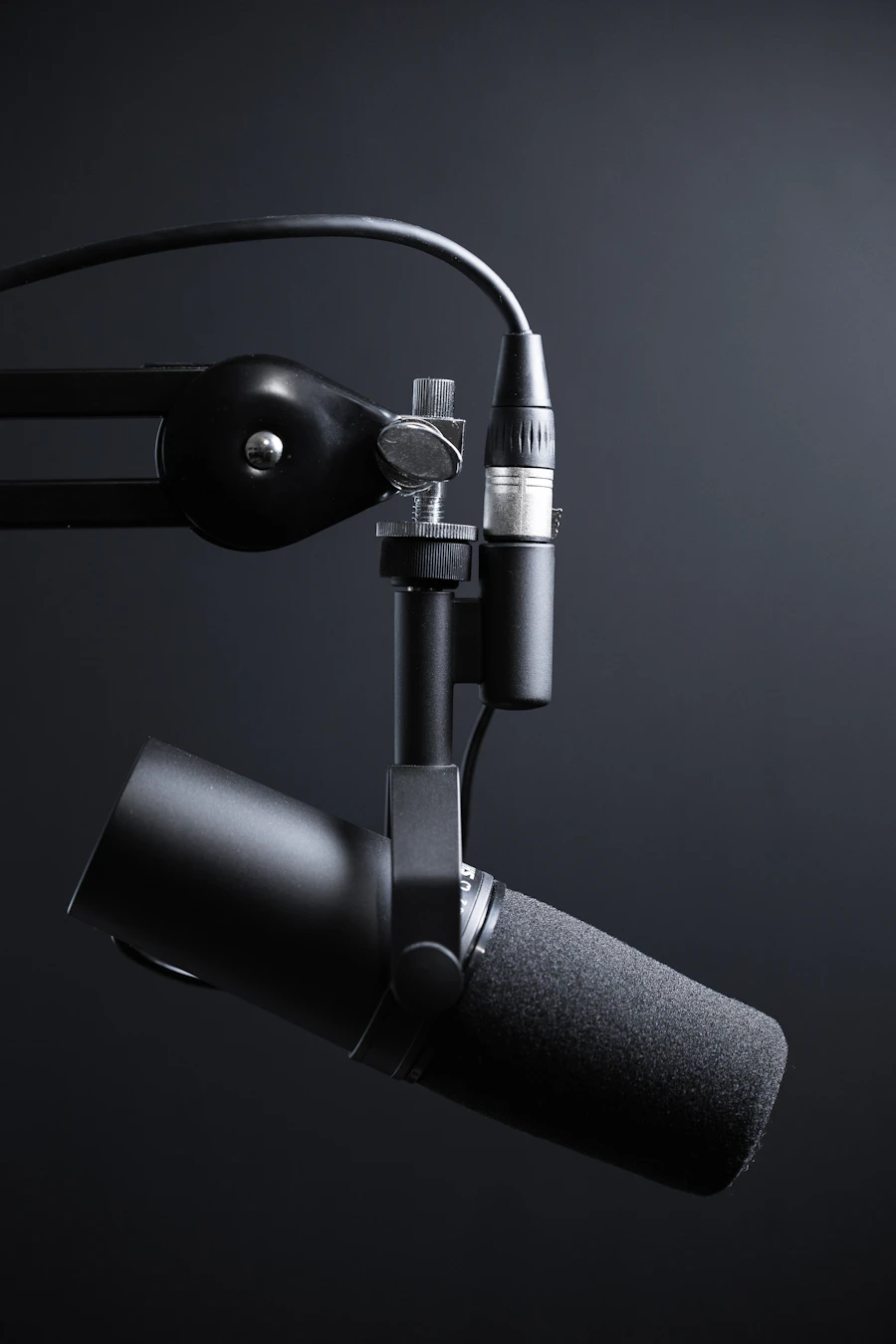
By eliminating the 'uncanny valley' of digital speech, attackers bypass the biological detection systems that humans use to sense deception. Vercon’s analysis of live-channel attacks shows that once a listener hears a familiar voice, their critical faculty for security protocol adherence drops significantly. The voice acts as a skeleton key for cognitive bias.
The Failure of Knowledge-Based Authentication
KBA is dead, though it remains a ghost in the machine of banking and telecommunications. Using static secrets to verify voice identity is a circular logic failure: the attacker uses stolen data to gain access to the channel, then confirms that stolen data using a stolen voice. It is a system that validates the data, not the person. (see related)
As we move toward a post-KBA environment, the industry must transition to multi-factor authentication that exists entirely outside of the voice channel. A voice call should trigger a secondary, out-of-band verification via a hardened mobile application or a physical security key. If the voice cannot be trusted as an identifier, it must be treated as nothing more than a notification layer for a different, more secure authentication process.
Detection at the Carrier Edge
Defending the endpoint is insufficient when the attack occurs within the stream. True security requires monitoring at the carrier edge, where signals can be analyzed for the subtle artifacts left by AI synthesis. Despite the proficiency of modern clones, they leave digital fingerprints-mathematical inconsistencies in the way frequencies are reconstructed that the human ear cannot perceive.
Vercon’s applied research focuses on these microscopic signatures. By implementing detection early in the call path, an organization can identify an synthetic interloper before the recipient is even alerted to the call. This shift from 'listen and decide' to 'analyze and block' is the only path forward for high-stakes voice communication.
Layered Behavioral Signals

Beyond the audio itself, security models must incorporate behavioral signals. This includes analyzing the metadata of the call: the origin of the signal, the reputation of the routing path, and the historical behavior of the purported caller. If an internal executive is calling from an unknown trunk or a geographical location that deviates from their known pattern, the risk score must automatically escalate, regardless of how 'real' they sound.
We treat voice security as a puzzle of layers. No single signal is definitive, but the aggregate weight of channel telemetry, behavioral anomalies, and audio artifacting creates a clear picture of intent. This is where Vercon’s proprietary capabilities become critical, providing a 98% AI-voice identification accuracy on live channels (proprietary). This capability allows for the immediate isolation of synthetic audio in a live environment, preventing the social engineering attack from reaching its logical conclusion.
Hardening the Voice Infrastructure
Organizations must move toward a zero-trust architecture for voice. This involves Vercon’s channel-hardening methodology, which treats every incoming call as a potential adversarial event until proven otherwise. This is not about cynicism; it is about acknowledging the current technical reality. We utilize Vercon’s adversarial-simulation harness to stress-test existing help desks and executive teams, demonstrating exactly how easily current protocols can be circumvented by real-time synthesis.
The goal is to create a friction-filled path for the attacker while maintaining a seamless experience for the legitimate user. This requires a transition to cryptographic identity for voice, where the 'caller ID' is not a faked number but a verified certificate. Until this becomes a global standard, the burden of detection lies with the enterprise.
Closing
The era of trusting a voice as a unique biological credential has ended. Any organization that has not updated its authentication protocols to account for sub-three-second cloning is currently operating in an unprotected state. Security must now reside in the analysis of the signal, not the sound of the speaker.
Referenced reporting
- FTC: Consumers Warned of AI Voice Cloning Scams
- NIST: Digital Identity Guidelines and Biometric Standards
- FCC: Steps Toward Combatting AI-Generated Robocalls
- CISA: Social Engineering and Voice Impersonation Guidance
Links are provided for reference and are not legal advice or a guarantee of verification.